


Full-Grain Leather Crafted Without Compromise or Shortcuts.
|
YOU MAY ALSO LIKE
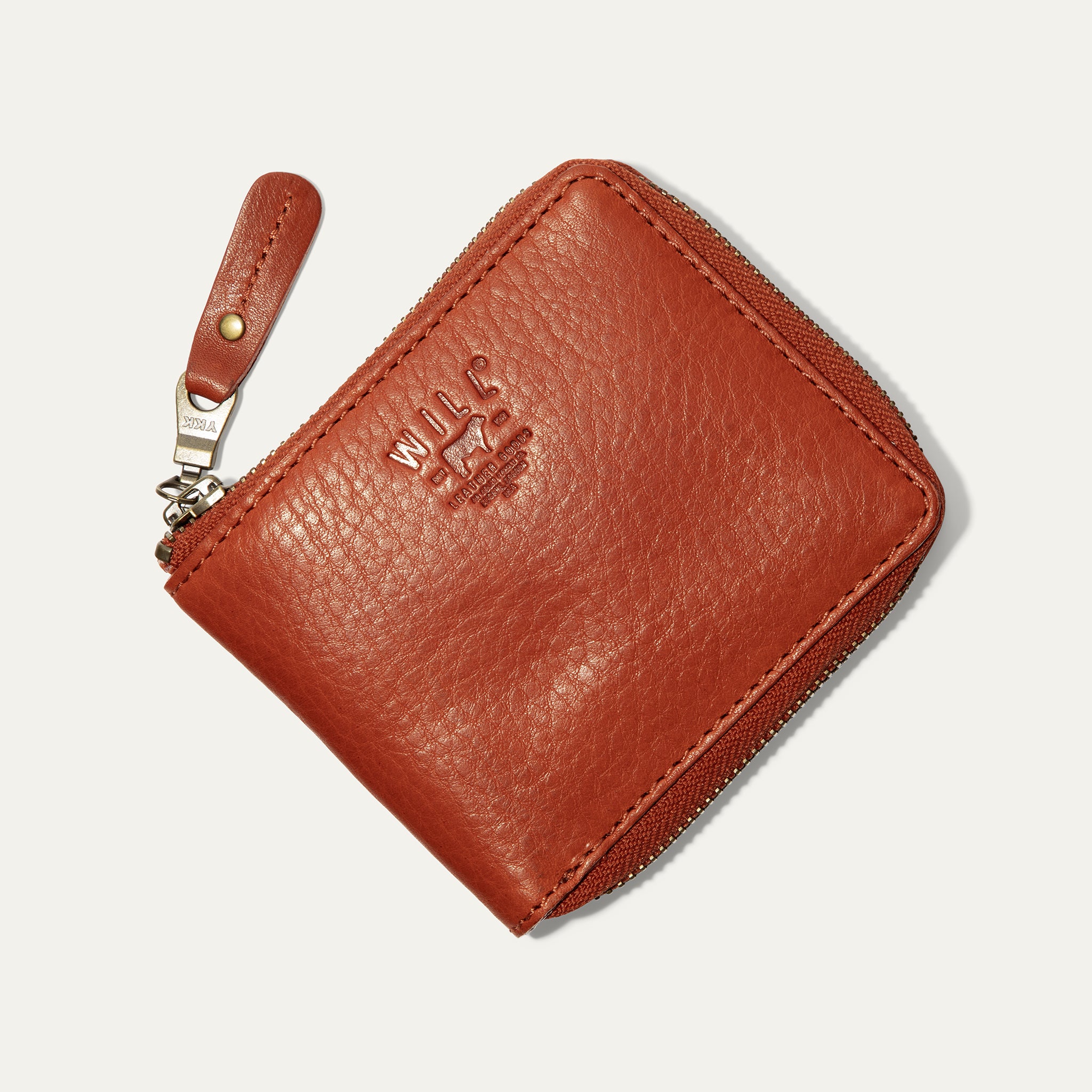
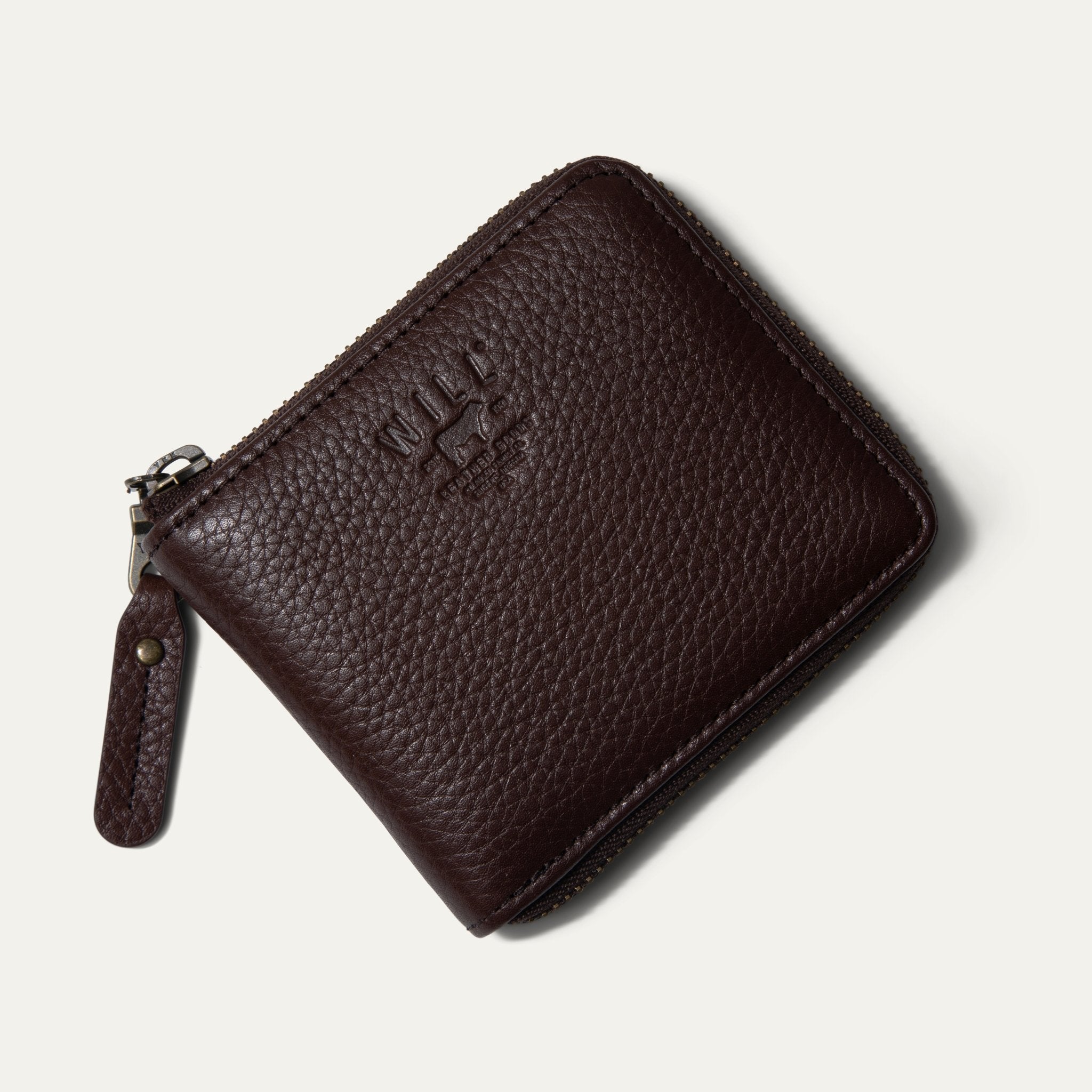
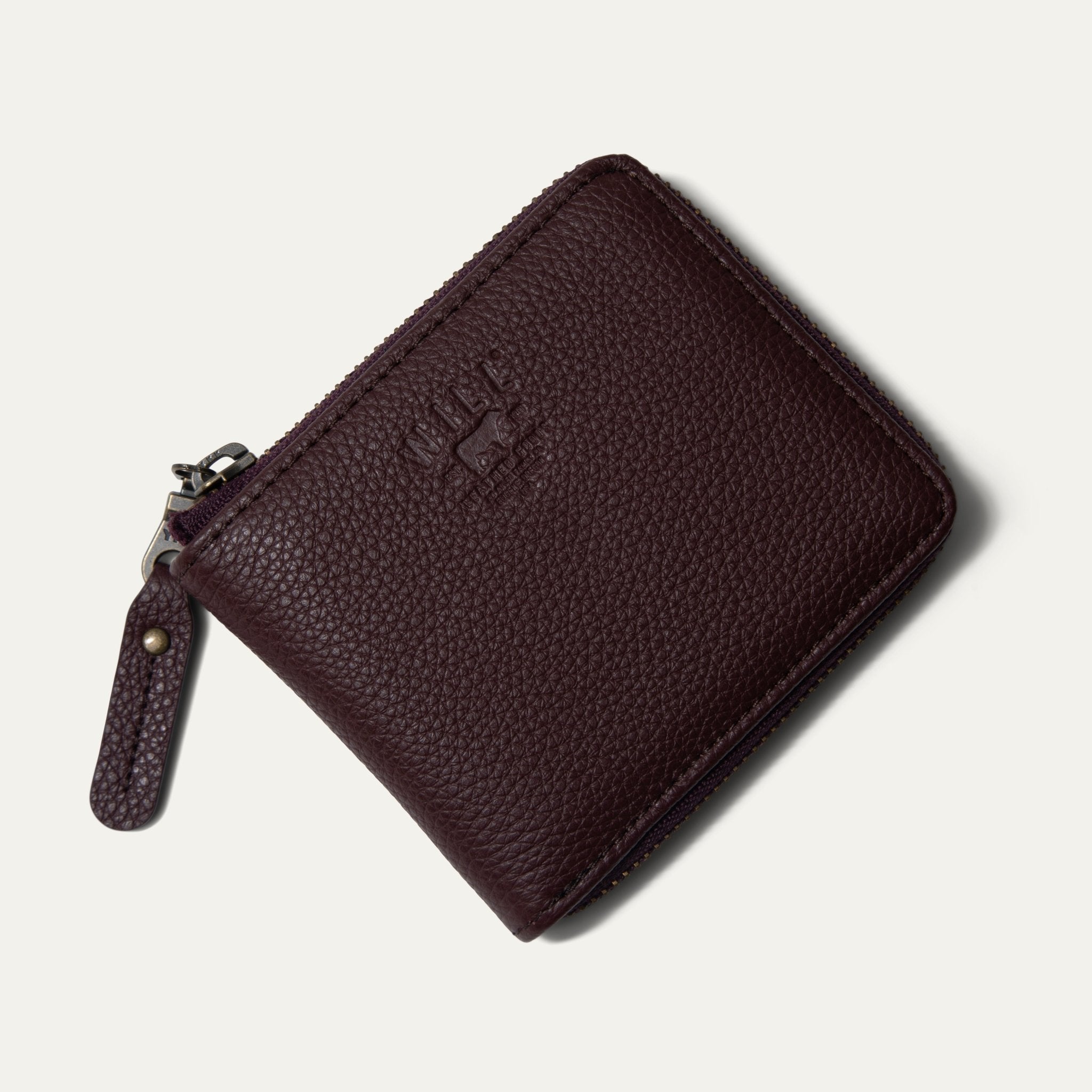
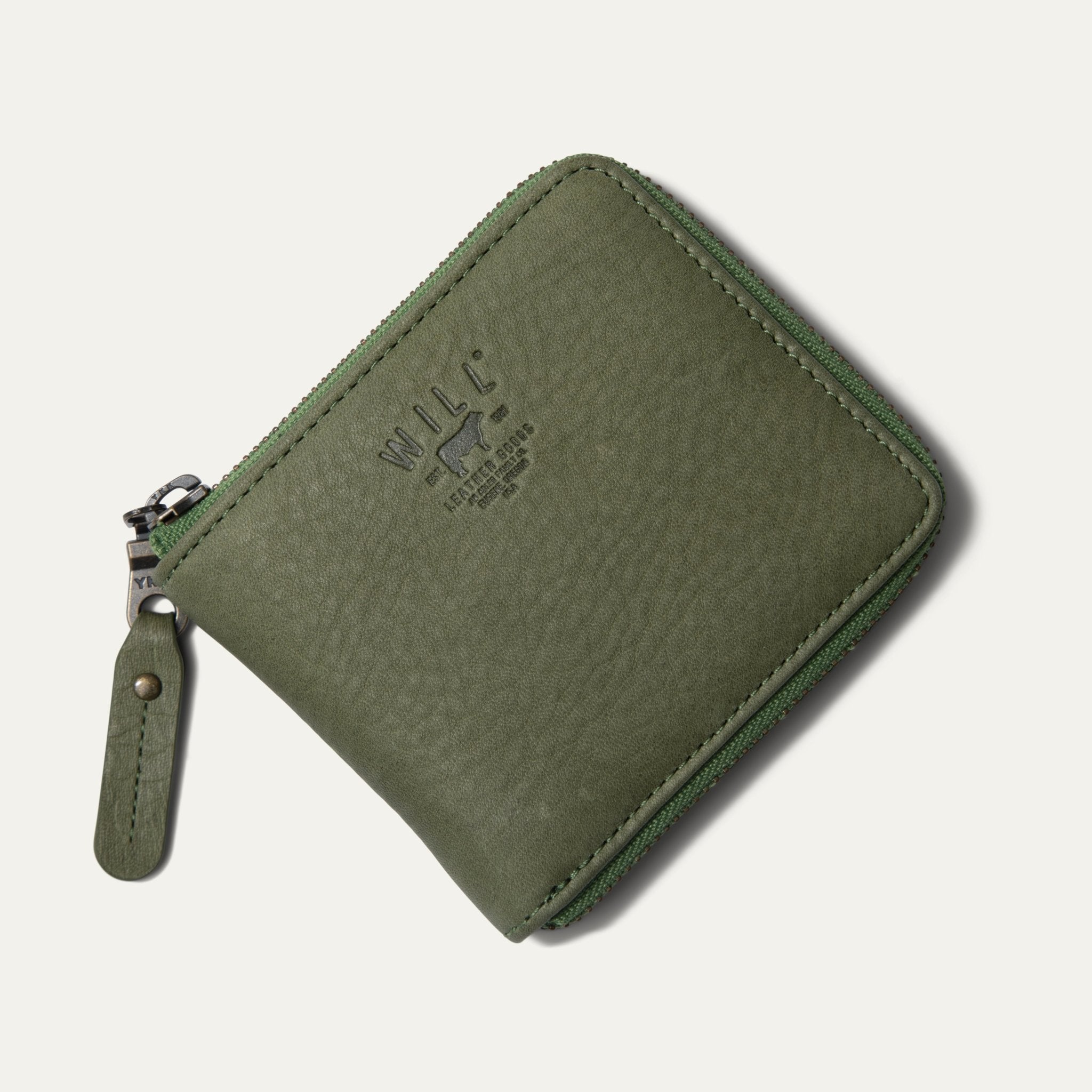



|
At Will Leather Goods, our philosophy guides every cut and every stitch we make. We choose full-grain, vegetable-tanned leather. Preserving the natural, unaltered top layer of the hide retains the dense fiber structure responsible for exceptional durability and a patina that develops naturally through years of use.
Vegetable tanning refers to the process used to transform the hide into leather. When full-grain leather is vegetable-tanned, the material retains its natural grain while enhancing the depth and character associated with use over time.
These choices, along with our meticulous craftsmanship, allow us to confidently stand behind every piece with a 100% lifetime guarantee. It is crafted from carefully selected hides and made to last as well as develop naturally over time.

The outermost layer of the hide is called full-grain. This area of the hide contains dense fibers that contribute to structure, strength, and durability.
Unlike more heavily processed leathers, the surface remains largely untouched. The grain is not sanded away or heavily altered, allowing the leather to retain its natural texture and strength. The grain contributes to durability, and it gives each piece character that cannot be manufactured—character that develops naturally through use over time.
In simple terms, full-grain leather is valued for preserving more of the material’s natural character.
The term full-grain leather is often misunderstood. It simply tells us how much of the original hide remains intact, preserving more of the material’s natural character. The less the surface is altered, the more of the hide’s natural characteristics remain present within the finished leather.
Understanding the differences between leather types helps explain how materials are crafted and why they perform differently over time.

One of the first things people notice about full-grain leather is variation. Natural materials tend to carry individuality; wood has grain patterns, stone contains variation, and leather does as well.
Because no two hides are exactly alike, no two finished pieces made from full-grain leather are exactly alike. Small wrinkles, subtle shifts in tone, natural grain patterns, and occasional markings all contribute to the appearance of the material. Those details are part of the beauty of the leather rather than imperfections to be removed. Preserving those characteristics allows more of the original hide to remain present within the finished leather.
Top-grain leather takes a different approach by sanding, or correcting a surface to create a more uniform tone. The natural variation is often the reason people choose full-grain leather, as those differences originate within the material itself rather than from a manufactured finish.
One reason full-grain leather is highly valued is the way the material evolves with time and use. Rather than remaining fixed in appearance, full-grain leather gradually develops patina. "Patina" refers to subtle changes that occur within the surface over years of handling and regular use. Color can deepen slightly. These changes happen subtly over time, this is because the natural grain remains present, these changes create a depth that cannot be added artificially.
Patina is not simply aging. It reflects interaction with the leather itself. Texture can soften in areas of frequent contact. Some areas may deepen in tone while others soften slightly in texture. The leather begins reflecting its use in ways that become increasingly individual over time. Daily handling, exposure to light, and years of regular use all contribute to distinctive shifts within the surface.


When evaluating leather you are looking to purchase, look for several characteristics.
Check for variation in grain and tone rather than complete consistency across the surface. Pay attention to texture and feel. Sense the distinct aroma. Leather that retains more of its natural qualities often carries depth that is difficult to reproduce through coatings and corrections.
Material descriptions also matter. Brands using full-grain leather generally identify the material clearly.
Transparency around leather selection and construction provides an even clearer understanding of what is being purchased.

Good leather is not defined by perfection. It is defined by character.
Full-grain leather is valued for qualities that can be seen, smelled, and felt. It is crafted from carefully selected hides and made to last and develop naturally over time. Full-grain leather has long been valued for those reasons. It keeps the natural grain of the hide intact, preserving the material’s strength, texture, and individuality. Rather than covering or correcting those characteristics, full-grain leather honors them as part of the finished piece.
Preserving the natural grain requires greater selectivity and care. This is why full-grain leather generally costs more. The value comes from more than appearance alone. Leather selection, craftsmanship, and long-term performance all contribute to why full-grain leather continues to be widely valued.
The process begins with hide selection. Since the natural surface remains visible, more attention goes into choosing hides with the structure and characteristics appropriate for finely crafted pieces—with the expectation they will last a lifetime.
Not every hide is equally suited to preserving natural variation within finished leather. Working with that variation also requires greater precision during cutting and construction. Each hide contains differences that affect the crafting process, requiring decisions that preserve both the leather and the finished product.
At Will Leather Goods, we use full-grain vegetable-tanned leather throughout our travel bags, totes, wallets, belts, and everyday pieces because we value materials that retain their character and integrity over time. Quality begins with leather selection. From there, craftsmanship and years of use complete the process.
Explore our Signature Collection and William Collection, including travel bags, totes, wallets, and belts crafted from full-grain, vegetable-tanned leather that develops character over time.
Will Adler - Founder and CEO
Expert reviewed by Will Adler, founder of Will Leather Goods. Will has spent 40+ years sourcing, designing, building, repairing, and selling leather goods.
Explore our
