

How to Condition Your Leather: When, Why and How
|
YOU MAY ALSO LIKE



|
At Will Leather Goods, we believe good leather benefits from the right care at the right time. The key is understanding that conditioning is not something leather needs constantly. In fact, one of the most common mistakes people make is using too much conditioner or applying it more often than necessary.
One of the reasons people are drawn to quality leather is that it develops character through years of use. Unlike synthetic materials that often look the same from the day they are purchased until the day they are replaced, leather responds to how it is carried, handled, and used.
Like any natural material, however, it changes over time.
Heat, sunlight, dry climates, and everyday use can gradually reduce the natural oils that help keep leather flexible and resilient. When that happens, conditioning can help restore moisture and maintain the material.
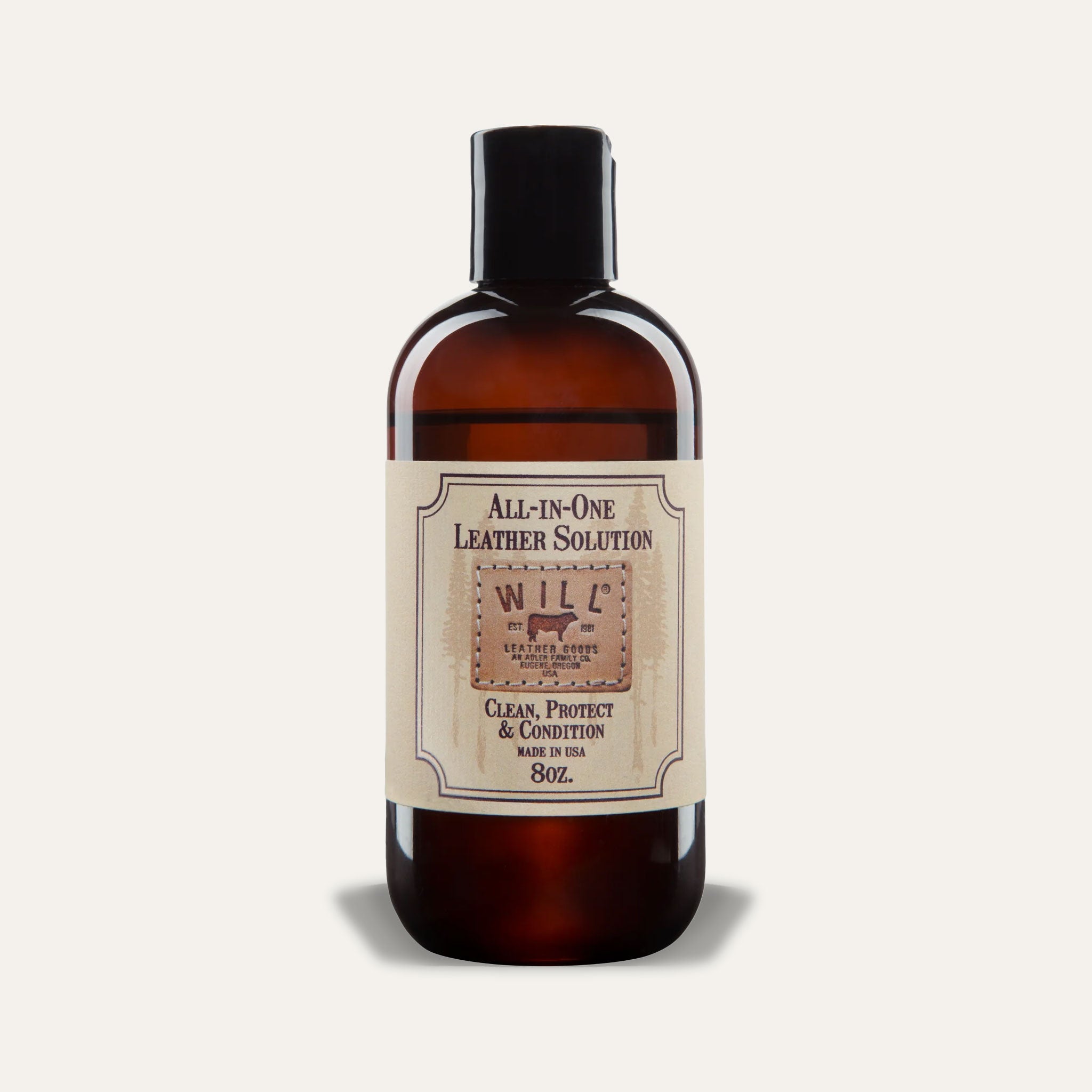
Conditioning helps replenish moisture and supports the leather’s ability to remain supple and durable. When used appropriately, a quality conditioner can help maintain the appearance and performance of leather goods for years.
This is especially important for products that see frequent use. Bags carried daily, belts worn regularly, and travel goods exposed to changing climates often experience more environmental stress than items used only occasionally.
Quality leather is valued for its durability and the way it holds up over time. It develops character through use, responds to its environment, and often becomes more distinctive over time. Conditioning supports those qualities by helping the material remain flexible and resilient throughout its life.
The goal is not to preserve leather in a like-new state. Good leather is meant to be used.
One of the questions we hear most often is when to condition leather. The answer is not tied to a fixed schedule.
Leather does not respond to a calendar. Climate, frequency of use, storage conditions, and leather type all influence how quickly it loses moisture. A travel bag that sees regular use in dry environments may require attention sooner than one carried occasionally in a moderate climate. Likewise, a wallet used daily and carried in a pocket will require different care than one used occasionally and stored in a briefcase organizer.
For that reason, the state of the leather should be the deciding factor on when to condition leather.
Signs that leather may benefit from conditioning include:
It is equally important to recognize when conditioning is unnecessary.
In most cases, conditioning should be postponed if the leather:

Conditioner is not always better. Leather that is already healthy often benefits more from continued use than from additional product. Patience is part of good leather care.
Rather than following a rigid schedule, evaluate the leather periodically and respond to what the material is telling you. In most cases, the leather itself will provide the clearest indication of when conditioning is actually needed.
As a general guideline, frequently used leather goods may benefit from conditioning every few months, while products used less often may require attention much less frequently. However, those timelines should be viewed as reference points rather than rules.
When it’s time to condition leather, a small amount of product is usually sufficient.
A careful application process helps produce better results and reduces the risk of over-conditioning.

Remove dust, dirt, and surface debris before applying conditioner. Applying conditioner over dirt can trap contaminants against the leather.
Always test conditioner on a small, inconspicuous area. Some products can darken leather or alter its appearance.
Use a clean cloth and apply a light, even layer. Start with less than you think you need.
It is easier to add more conditioner than to remove it.
Give the conditioner time to penetrate the leather according to the manufacturer’s instructions.
Avoid rushing the process.
Once absorbed, gently buff the leather with a clean, dry cloth to remove any residue and restore an even appearance.
In most cases, restraint produces better results than heavy application.
Over-conditioning does not usually damage quality leather, but it can affect both its appearance and performance. Excess conditioner may darken the leather, leave a waxy or oily residue, or soften the material more than intended.
For structured products such as bags, briefcases, and belts, too much conditioner can reduce some of the firmness that helps them hold their shape. Excess oils can also attract dirt and dust, causing the surface to look less clean over time. The goal of conditioning is to support the leather, not to saturate it. In most cases, a light application used only when needed will produce better results than frequent or heavy treatment.
A well-conditioned leather product should retain its character, structure, and natural appearance. The goal is support, not transformation.
If you are uncertain whether additional conditioner is needed, it is often better to wait and reassess later.
The Will Leather Goods Point of View
Quality leather benefits from the right care at the right time. When conditioning becomes necessary, a quality conditioner helps support the durability, character, and longevity that make leather worth owning in the first place.
Conditioning is not about constant maintenance. It is about understanding the material, paying attention to how it responds to use, and giving it the care it needs at the right time.
For us, the goal has never been to keep leather looking untouched. Our goal is to help it remain strong, functional, and beautiful through years of use.
Thoughtful care supports longevity. Quality materials make it possible.
Explore our collection of leather bags, wallets, belts, travel goods, and everyday essentials. Always with our lifetime guarantee.
Will Adler - Founder and CEO
Expert reviewed by Will Adler, founder of Will Leather Goods. Will has spent 40+ years sourcing, designing, building, repairing, and selling leather goods.
Explore our
